BOTOX® Cosmetic
BOTOX® Cosmetic is one of the most well-known forms of non-surgical facial rejuvenation. The injections block muscle movements in the treatment area, reducing the habitual movements that wrinkles. Dr. James Lacey or your aesthetician will help you choose the right treatment for your needs.
Read More
Laser Skin Resurfacing
Our team uses a CO2 and Pixel Erbium Yag Laser to perform laser skin resurfacing. Laser skin resurfacing can treat a number of skin imperfections, including fine lines and wrinkles, hyperpigmentation, acne scars, birthmarks, and sunspots.
Read More
Dermal Fillers
A gel-like dermal filler can add volume in the treatment area, minimizing the appearance of deep creases. Your aesthetician can also use dermal fillers to augment the lips. Alternatively, we may recommend fat injections to enhance volume in your face.
Read More
Non-surgical Skin Rejuvenation
We offer several treatments to rejuvenate your skin, including microdermabrasion, BLU-U® Blue Light Therapy, and chemical peels. During microdermabrasion, your aesthetician will direct a flow of air, which contains microscopic abrasive particles, to the targeted treatment area.
Read More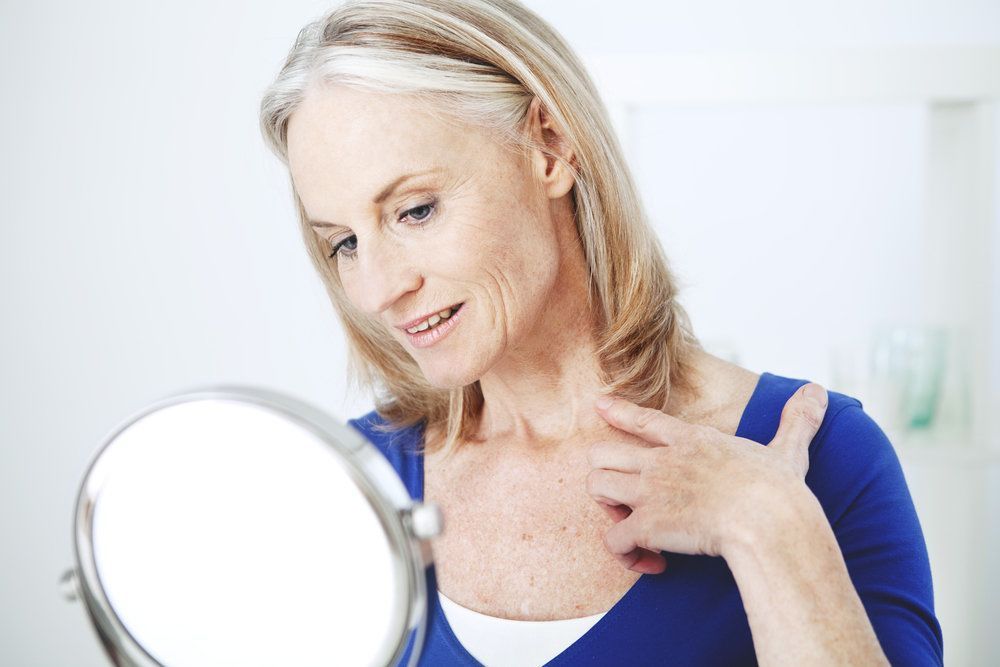
IPL Photofacial
We may recommend IPL™ photofacial to treat redness, age spots, hyperpigmentation, and freckles. During treatment, a powerful beam of light is directed at the skin, causing the blood vessels to constrict. Over the next few days, the areas of damaged skin will darken and then naturally peel away.
Read More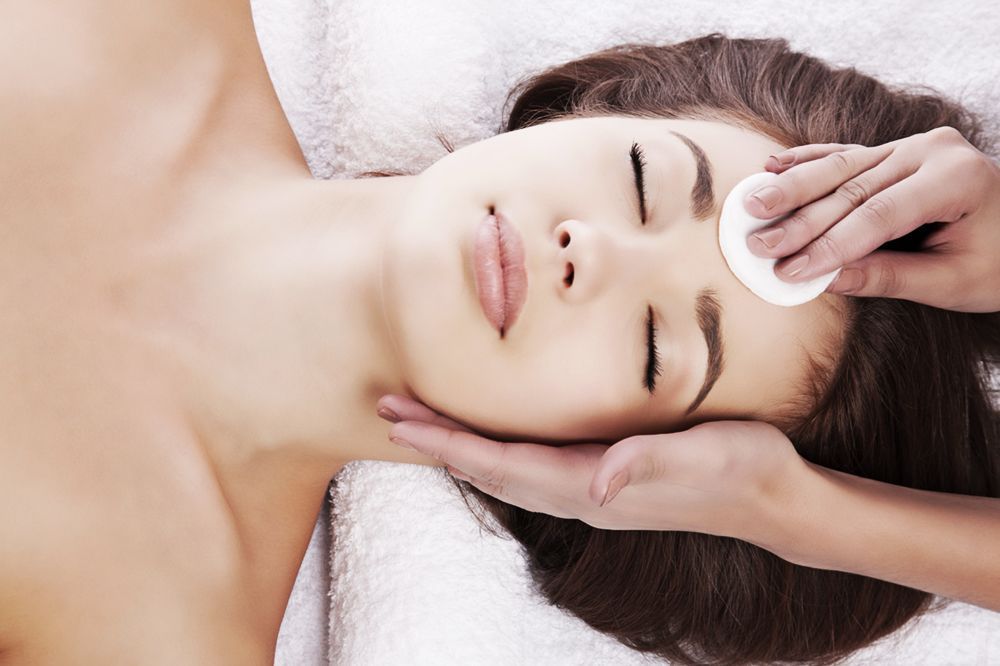
Skin Care Products
Out of all the skincare lines that we evaluated, we chose the one that only uses the finest ingredients, and provide ultimate results. The Vivier Skin Care line allows for the best pre-treatment and post treatment care. Viver Skin Care is also the world’s #1 Vitamin C line.
Read More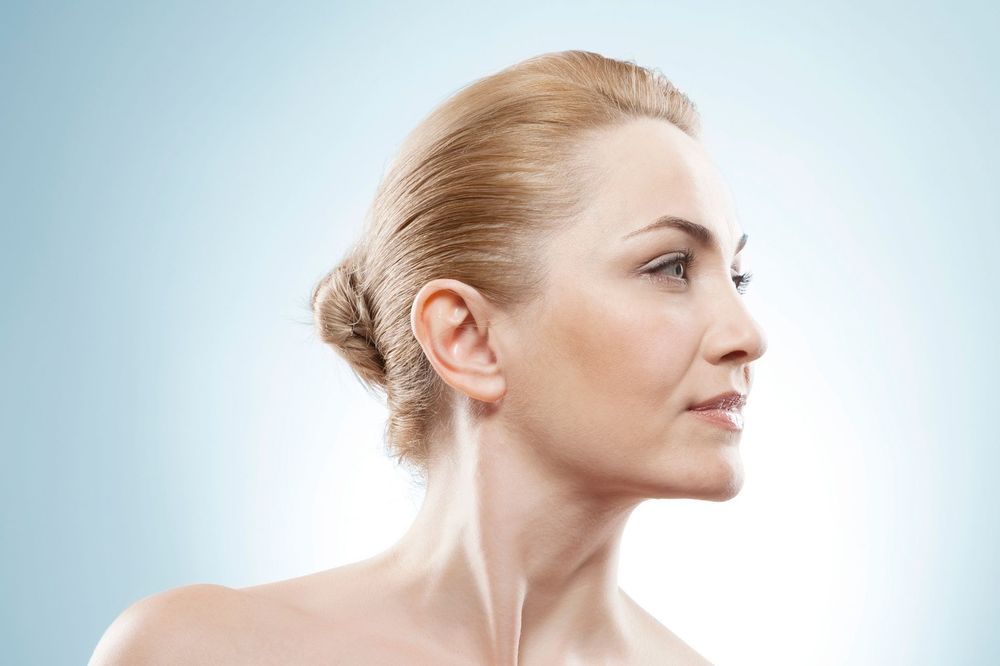
Laser Hair Removal
With laser hair removal, we can eliminate the inconvenience of daily shaving or periodic waxing. Since the follicles will be at different stages of the growth cycle, you will require several treatment sessions. LightSheer® is suitable for virtually all skin tones and hair types.
Read More
Skin Tightening
If you have loose, unwanted skin, Venus Freeze™ skin tightening may be the solution. This treatment combines radiofrequency and magnetic pulses to stimulate collagen production and produce new elastin fibers. As a result, you can enjoy firmer skin and reduced skin laxity.
Read More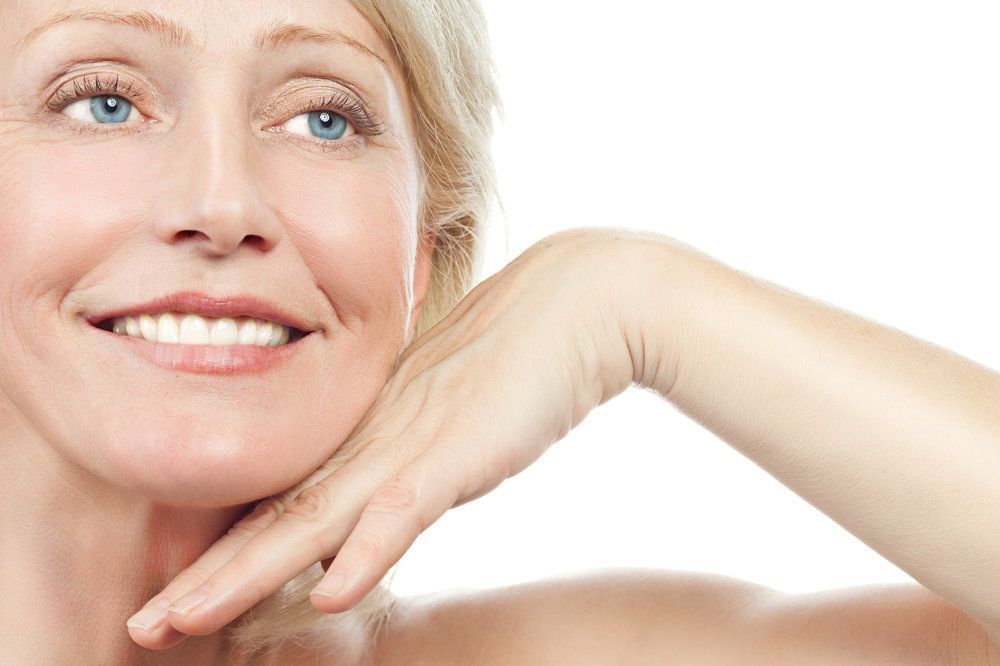
Cellulite Reduction
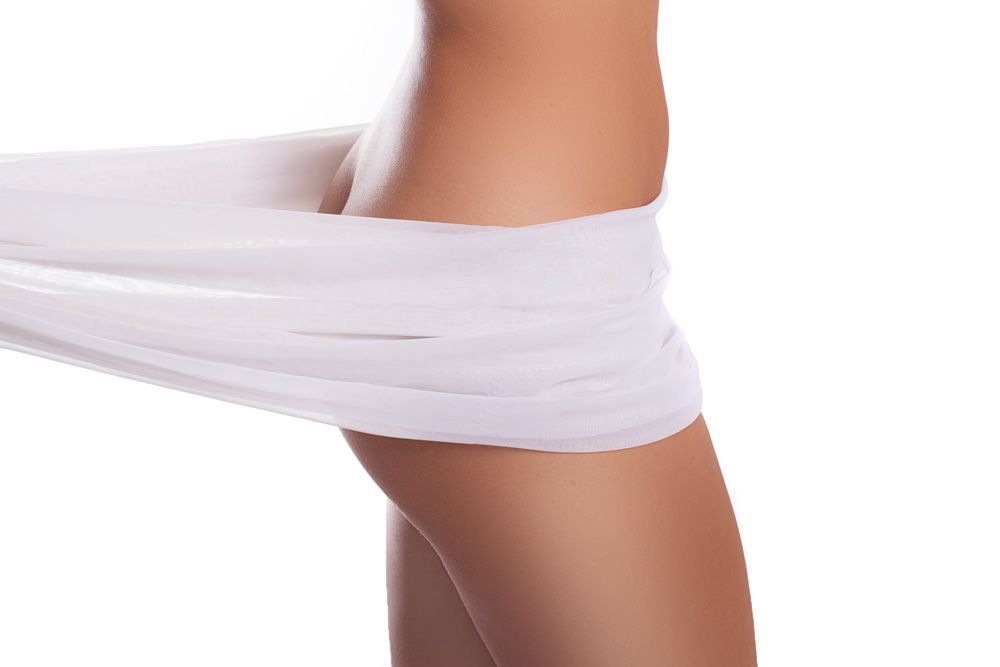
Cellulite appears when fibrous bands tighten around fat cells, pushing them up against your skin. Venus Freeze™ is an effective option for cellulite. The procedure typically takes twenty minutes to an hour, depending on the size of the treatment area.
Read More
Visia Complexion Analysis

Loyalty Program Available
We are happy to sign you up for a loyalty program that allows you to earn rewards when you receive Allergan® products. Allergan® products include BOTOX® Cosmetic, JUVÉDERM® XC, and JUVÉDERM VOLUMA® XC. We also offer an in-house loyalty program where you can earn rewards.

Bellafill®
If you are dissatisfied or frustrated with sagging cheeks and deep smile lines, Bellafill® offers a simple and easy solution. This injectable dermal filler not only corrects smile lines and restores lost volume to your cheeks, but also establishes the foundation for future collagen growth.
Read More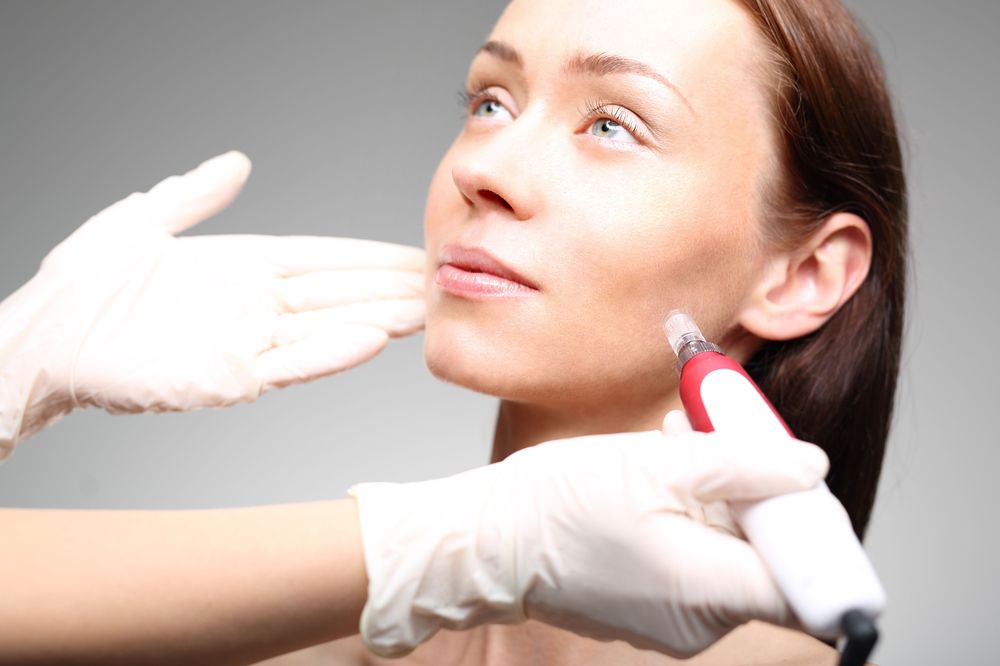
Dermapen Cryo™
Dermapen Cryo is a non-invasive treatment using nitrous oxide to address skin lesions and blemishes. By using extreme temperatures over a short period of time the procedure results in minimal discomfort and generally does not require anesthetic.
Read More